Quick Guide to Glass Replacement Dallas Homeowners Trust
When a window cracks or the seal between panes fails, the problem rarely stays small. I have seen single-pane windows in older Dallas homes develop stress fractures that spider across the entire glass within a week. The first instinct is often to patch it with tape or plastic, but that is a temporary fix at best. A proper solution starts with understanding the type of glass you need, the installation method, and why professional glass replacement in Dallas makes a real difference for both comfort and energy costs.
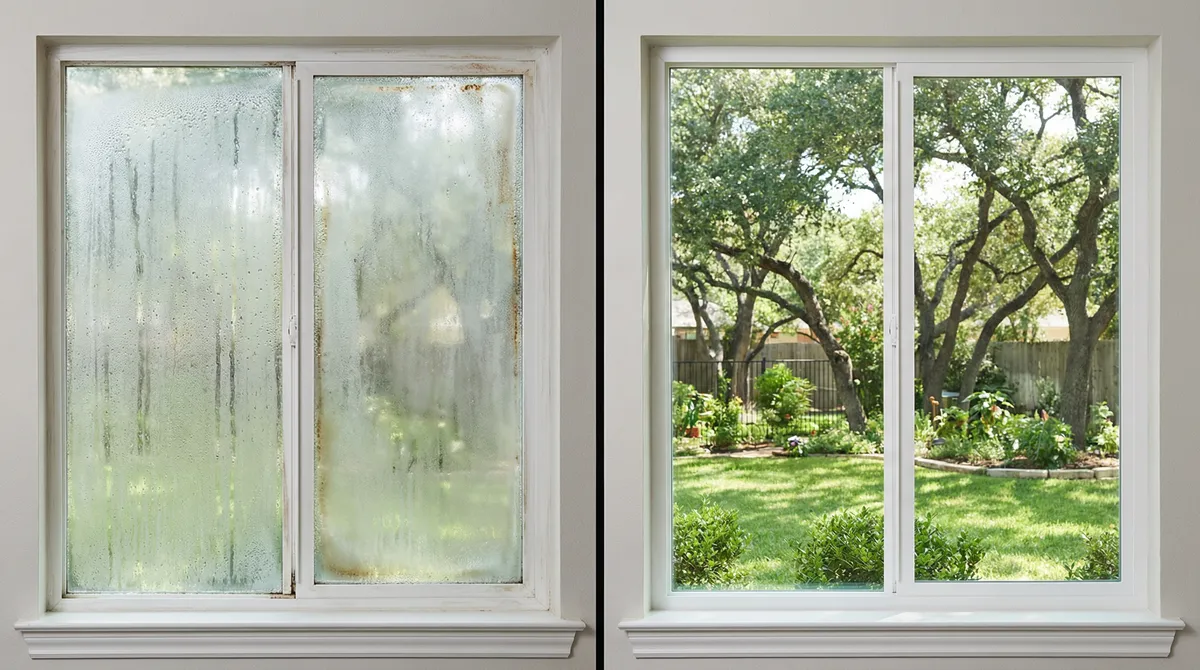
I have worked on enough homes in the DFW area to know that window problems fall into a few common categories. The most frequent issue I encounter is seal failure in double-pane units. When the seal breaks, moisture gets between the panes and creates that foggy, milky look that cannot be cleaned away. Another common problem is impact damage from storms or stray baseballs. And sometimes it is simply old, single-pane glass that lets summer heat pour into the house. Each situation calls for a different approach, but the core decision usually comes down to repair versus full replacement. glass replacement dallas
Why Seal Failure Demands Quick Action
Foggy glass is not just an eyesore. When the insulating gas between panes escapes, the window loses its thermal performance. I have measured surface temperatures on foggy units that were 10 to 15 degrees hotter than a properly sealed window on a 95-degree August afternoon. That extra heat forces your air conditioner to run longer, which shows up on your electric bill month after month. Beyond energy loss, the trapped moisture can eventually lead to mold growth inside the sealed unit. Once that happens, the glass is beyond cleaning and must be replaced.
Many homeowners ask me if they can just replace the glass without touching the frame. The answer depends on the window type. Some modern windows have removable stops that allow the glass insert to be swapped out. Others are built with the glass bonded directly to the frame, which means the entire sash needs to come out. A good contractor will inspect the frame for rot, warping, or damage before deciding the best path forward. In my experience, about half of the seal-failure cases I see in the Dallas area also involve minor frame damage that should be addressed at the same time.
Connect with us on Facebook.
Commercial Glass Services Have Different Demands
Commercial properties present a different set of challenges. Storefronts, office buildings, and restaurants often use tempered or laminated glass that must meet local building codes. I once consulted on a project where a retail shop on Greenville Avenue needed a large display window replaced after a break-in. The original glass was standard annealed, but the updated code required tempered for safety. That change affected the thickness, the framing, and even the type of sealant used. A contractor who does not stay current with Dallas commercial codes could install the wrong glass, which would fail inspection and cost the business time and money.

Another consideration for commercial glass replacement in Dallas is the need for minimal disruption. A broken storefront cannot stay boarded up for long. Customers need to see the merchandise, and foot traffic expects a clear entrance. I have found that scheduling the work after hours or during low-traffic periods is often the only practical solution. A reliable company will coordinate with the business owner to ensure the replacement happens quickly and cleanly, with no leftover debris or safety hazards.
Whole-Home Window Replacement: When It Makes Sense
Sometimes a single broken window is just the first sign of a larger problem. If your home has original windows from the 1980s or earlier, the entire system may be underperforming. Old aluminum frames conduct heat, single-pane glass offers almost no insulation, and the weatherstripping has probably hardened and cracked. In that situation, replacing one window at a time can work, but a whole-home replacement often delivers better long-term value. You get consistent performance across every room, a uniform look, and a single warranty that covers all the work.
I have seen homeowners try to stagger replacements over several years, only to find that the newer windows clash with the old ones in style and color. More importantly, the energy savings from a full replacement are much more noticeable. When you upgrade from single-pane to double-pane low-E glass, the reduction in heat transfer is dramatic. I recall a house in East Dallas where the owner replaced twelve windows at once. Their summer cooling bill dropped by nearly 25 percent the following month. That kind of result is hard to achieve with piecemeal work.
Choosing the Right Glass for Dallas Weather
Dallas weather is hard on windows. We get intense sun, hailstorms, high winds, and temperature swings that can exceed 40 degrees in a single day. The glass you choose needs to handle all of it. For most homes, I recommend double-pane low-E glass with an argon gas fill. The low-E coating reflects infrared heat while letting visible light pass through, which keeps the interior cooler without darkening the room. The argon fill improves insulation and reduces condensation on the interior surface during cold snaps.
For homes in hail-prone areas, laminated glass is worth considering. It has a plastic interlayer that holds the glass together if it cracks. I have seen laminated windows survive hailstones the size of golf balls with only minor pitting, while standard tempered glass shattered completely. The trade-off is cost. Laminated glass runs about 20 to 30 percent more than standard tempered, but if you live in a neighborhood that gets hit by hail every few years, the investment pays for itself in avoided replacements.
Another option that comes up often is tinted or reflective glass for privacy and glare reduction. I generally steer homeowners away from dark tints on south-facing windows because they can absorb heat and create thermal stress. A better approach is to use spectrally selective low-E coatings that block UV and infrared without significantly reducing visible light. That way you get the glare control without the risk of heat buildup.
What to Expect During a Professional Replacement
A typical glass replacement in Dallas starts with a site visit. The contractor measures the opening, checks the frame condition, and notes any special requirements like tempered glass near doors or low windows. Most reputable companies provide a free estimate during that visit. I always advise homeowners to ask about the warranty before signing anything. A good warranty covers both the glass and the labor for at least five years. Some manufacturers offer lifetime warranties on the glass itself, but labor coverage is just as important. If the seal fails in year three, you do not want to pay for the installation again.
The actual replacement process usually takes one to three hours per window, depending on the complexity. For a standard double-hung window with a removable sash, the old glass is cut out, the new unit is fitted, and the stops are reinstalled. For fixed windows or commercial units, the work may involve removing the entire frame and resealing the perimeter. A professional crew will clean up all debris and test the window for proper operation before they leave. If you see gaps, drafts, or difficulty opening and closing the window after the work, call them back immediately. Those are signs of an improper fit.
Cost Factors and Budgeting
Pricing for glass replacement in Dallas varies widely based on glass type, window size, accessibility, and the condition of the frame. A standard double-pane window for a three-bedroom house typically falls in a moderate range, but custom shapes, oversized units, or third-story windows add cost. I have found that getting three quotes gives a good sense of the fair market rate. Be wary of quotes that come in significantly lower than the others. They often cut corners on materials or skip important steps like frame repair.
Some insurance policies cover glass replacement if the damage is caused by a covered peril like hail or vandalism. It is worth checking your deductible before paying out of pocket. If the deductible is higher than the repair cost, you might as well pay cash and avoid a claim. I always remind homeowners to photograph the damage before any work starts. That documentation helps if there is a dispute about the extent of the damage later.
Signs It Is Time to Call a Professional
Not every chip or crack requires immediate replacement. A small star crack in the corner of a basement window might be fine for years. But there are clear signs that demand action. If you see condensation between the panes, that means the seal is broken. If the crack runs across the full height of the glass, the structural integrity is compromised. If the window is difficult to open or close, the frame may have shifted or the glass may be pressing against the stops. And if you feel a draft around the edges on a windy day, the weatherstripping or sealant has failed.

Delaying replacement when these signs appear only makes the problem worse. Moisture that gets inside the wall cavity can rot wood framing and attract termites. Drafts force your HVAC system to work harder, which shortens its lifespan. And a cracked window is a security risk. A determined person can break through a damaged pane much more easily than an intact one.
If you are looking for reliable glass replacement in Dallas, Apex Windows & Glass at 7200 W University Dr, McKinney, TX 75071, USA, +1 214-263-3008, is a DFW-based company that handles foggy glass repair, commercial services, and whole-home window replacements with warranties and free estimates.